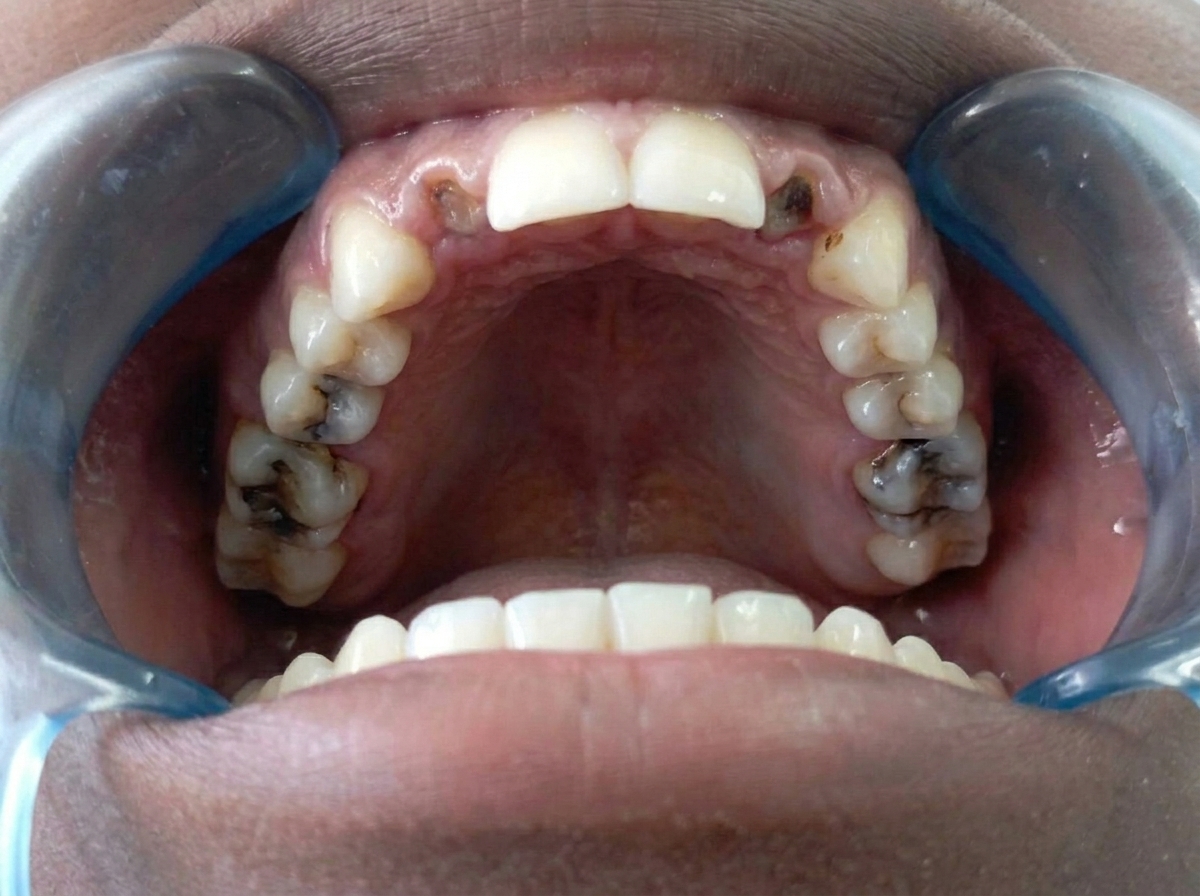
The cost of a dental crown in Nairobi depends mostly on the material you choose, which tooth needs it and how much preparation the tooth needs first. At Pearl Roots Dental Clinic in Ngong we offer tooth-coloured crowns as well as silver and gold crowns, and each suits different situations. Your free consultation includes an examination, a recommendation and a clear quote before treatment starts.
Here is a practical guide to the three types, how they compare and what shapes the final cost.
What a crown does
A crown is a cap that covers the whole visible part of a tooth. It restores the tooth's shape and strength and protects it from further damage. Your dentist may suggest a crown when a tooth is:
- Cracked, broken or badly worn
- Weakened by a very large filling
- Badly discoloured or misshapen, where a filling or bonding would not be enough
- Supporting a bridge to replace a missing tooth
- Being restored on top of a dental implant
A crown is usually made after the tooth has been shaped to make room for it. Local anaesthetic numbs the area, so most patients feel pressure rather than pain.
The three main crown materials
Tooth-coloured crowns
These are made to match the shade of your natural teeth, so they blend in with your smile. They are a popular choice for front teeth and anywhere that shows when you talk or laugh.
Pros
- Natural appearance that is matched to your surrounding teeth
- No metal visible at the gum line
- A good option when appearance matters most
Cons
- Can be less forgiving than metal for people who grind their teeth heavily
- May need a little more of the tooth to be shaped, depending on the case
Silver crowns
Silver-coloured metal crowns are strong and practical. They are often used on back teeth, where chewing forces are greatest and appearance matters less.
Pros
- Durable and able to cope well with chewing forces
- Often a cost-effective choice for back teeth
- Usually need less tooth to be removed than some tooth-coloured options
Cons
- Clearly visible, so rarely chosen for front teeth
- Some people simply prefer a tooth-coloured look
Gold crowns
Gold crowns have a long history in dentistry. Gold is a gentle, workable metal that fits closely to the tooth and is kind to the opposing teeth it bites against.
Pros
- Strong and long-lasting with good care
- Gentle on the teeth they bite against
- Close, precise fit
Cons
- The colour is very noticeable
- Generally a higher-cost option because of the material
Comparing crown materials at a glance
| Tooth-coloured | Silver | Gold | |
|---|---|---|---|
| Appearance | Blends with natural teeth | Visible metal | Visible gold |
| Best suited to | Front and visible teeth | Back teeth | Back teeth, heavy biters, or personal preference |
| Strength | Good for most everyday chewing | Very strong | Very strong |
| Effect on opposing teeth | Depends on the case | Generally gentle | Very gentle |
| Relative cost | Varies with the case | Often the most budget-friendly | Usually higher, due to the material |
Your dentist will recommend what suits your tooth, your bite and your budget. Often, the best answer is a mix: tooth-coloured crowns where they show, and a strong metal crown at the back.
What affects the cost of a crown
When patients ask about dental crown cost in Nairobi, the honest answer is that a few factors come together:
- Material: tooth-coloured, silver and gold crowns differ in material and making costs
- Which tooth: front and back teeth have different demands on looks and strength
- The tooth's condition: decay may need treating, or a weak tooth may need building up, before the crown is fitted
- Number of crowns: several crowns, or a crown and bridge, form a bigger treatment plan
- Visits needed: shaping, temporary protection and fitting the final crown can take more than one appointment
A crown that fits well and suits your bite protects the tooth underneath. Choosing on price alone can mean repeated repairs later, so ask about the long-term value of each option, not just the upfront cost.
Is a crown always the right answer?
Not necessarily. Smaller damage can often be repaired more conservatively with a filling or bonding, which keeps more of your natural tooth. If your main concern is colour or shape on front teeth, veneers or composite bonding may also be worth considering. Our guides to tooth-coloured fillings and veneers vs composite bonding explain those alternatives.
We would rather recommend the simplest treatment that does the job well. That is part of offering premium dental care at an affordable price.
You can read more about crowns and related treatments on our restorative care and cosmetic dentistry pages.
Caring for your crown
Crowns are strong, but the tooth underneath can still decay at the edges. To help your crown last:
- Brush twice a day and clean between your teeth
- Avoid using your teeth to open bottles or packets
- Ask about a mouth guard if you grind your teeth at night
- Keep up regular check-ups so the edges of the crown can be checked
Frequently asked questions
How much does a dental crown cost in Nairobi?
It depends on the material, the tooth and any preparation needed. An accurate quote needs an examination, and your free consultation gives you a clear cost before treatment starts.
Which crown material lasts longest?
All three can last many years with good care. Metal crowns are especially hard-wearing on back teeth, while tooth-coloured crowns are chosen where appearance matters. Your bite and habits make a big difference.
Can I have a tooth-coloured crown on a back tooth?
Often, yes. Your dentist will check your bite and whether you grind your teeth before recommending the best material.
Does getting a crown hurt?
Local anaesthetic numbs the area, so most patients feel pressure rather than pain. Some mild sensitivity afterwards is common and usually settles.