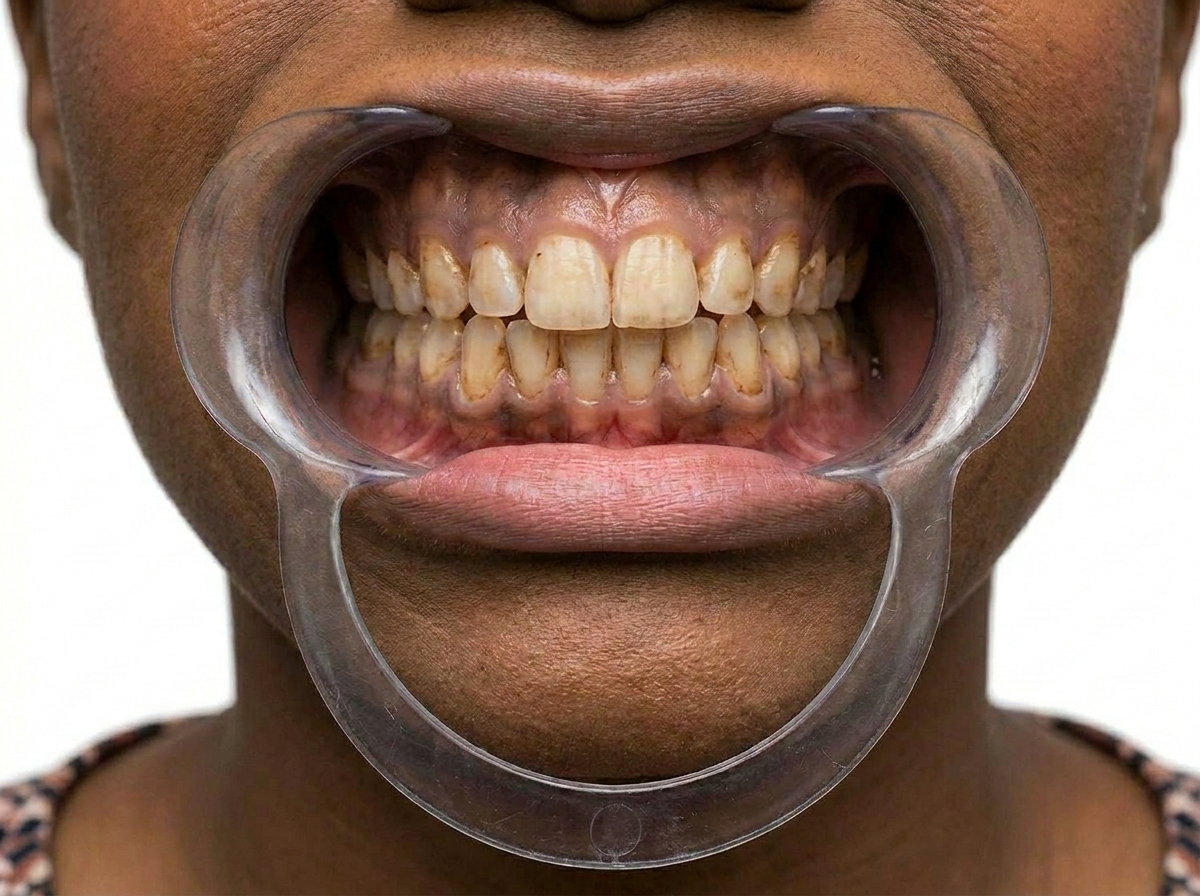
A bright smile is one of the most requested transformations in dentistry. Knowing what causes discoloration and how the chemistry works ensures your investment lasts for years.
Extrinsic vs. Intrinsic Stains
Discoloration behaves differently depending on where it sits in the tooth structure:
- Extrinsic stains: Rest on the enamel surface from coffee, spiced teas, tobacco, and dark sauces. These lift readily with peroxide bleaching agents.
- Intrinsic stains: Reside in the inner dentin layer. These arise from aging, dental trauma, or childhood medication. They respond best to gradual tray courses or cosmetic bonding.
Shades lighter is the typical improvement patients achieve after a single clinical whitening session at Pearl Roots.
Whitening Methods Compared
| Method | Active Bleach | Timeline | Best For |
|---|---|---|---|
| In-Clinic Laser | 25–40% Hydrogen Peroxide | 1 Visit (60–90 min) | Weddings, events, immediate impact |
| Custom Trays | 10–22% Carbamide Peroxide | 10–14 Days | Sensitive teeth, gradual lift |
| Store Strips | 3–10% Hydrogen Peroxide | 3–4 Weeks | Light surface maintenance |
Your Appointment Step-by-Step
Debunking Common Myths
Whitening permanently erodes or thins your enamel.
Clinical whitening breaks pigment bonds inside microscopic enamel pores without altering tooth density or mineral volume.
Activated charcoal powder is a safe natural alternative.
Charcoal is abrasive and scratches the enamel surface, making it look yellower over time as inner dentin shows through.