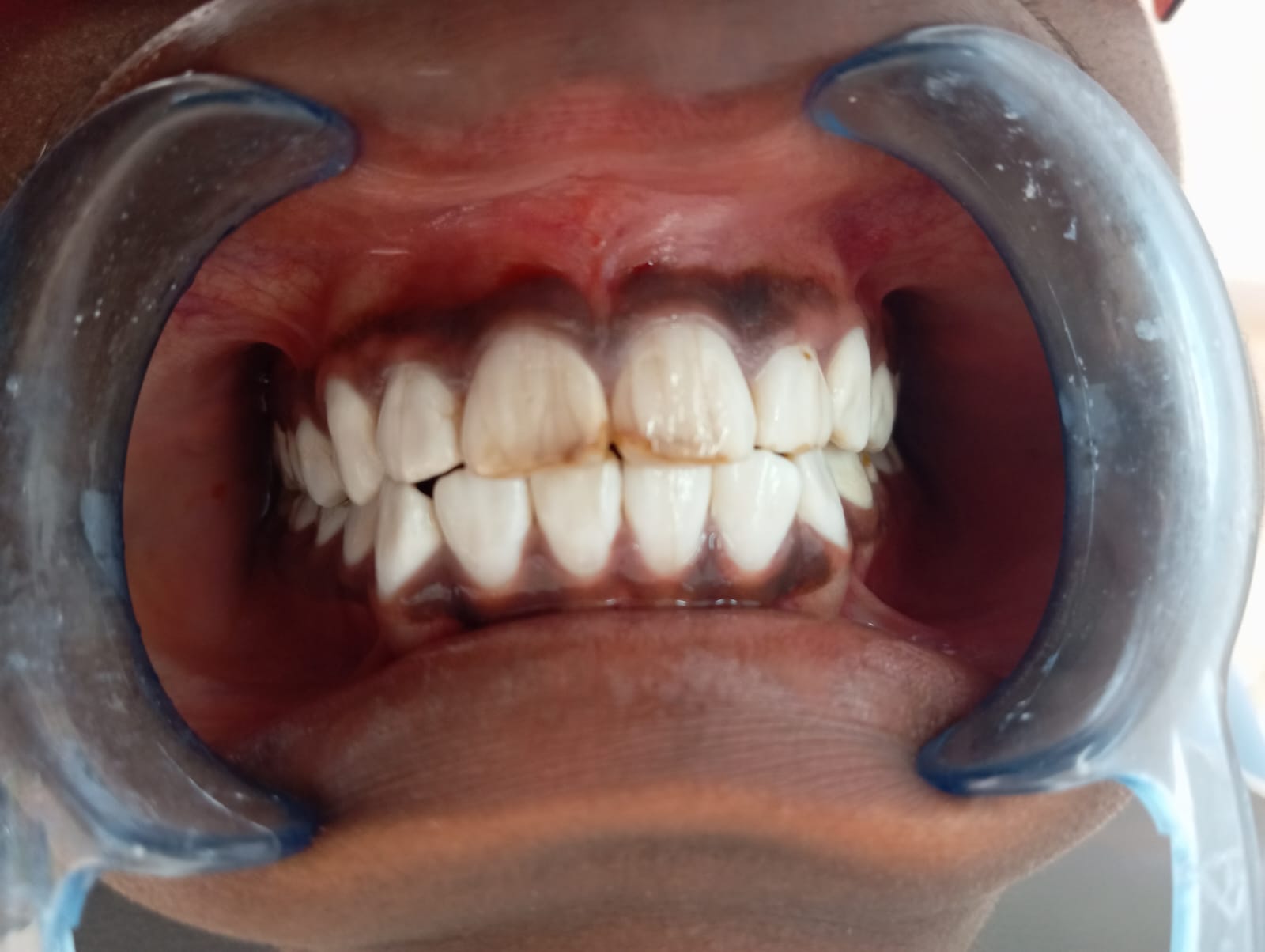
The cost of braces in Nairobi depends mainly on how complex your bite is, which type of appliance suits you, how long treatment takes and what retention you need afterwards. Because no two mouths are the same, an honest clinic cannot give you a reliable figure over the phone. What it can do is examine you, explain your options and give you a clear quote before anything starts, which is exactly what happens at a free consultation at Pearl Roots Dental Clinic in Ngong.
This guide walks through what you are actually paying for, so you can compare quotes sensibly and choose care that is good value rather than simply cheap.
Braces are a course of treatment, not a product
Think of braces less like buying a phone and more like signing up for a school term: you are paying for a planned process that moves teeth safely over many months, with a professional checking and adjusting along the way. The appliance is only one part of it.
A typical course of orthodontic care includes:
- Assessment and planning: examining your teeth, bite and jaw, and working out where each tooth needs to go
- Fitting the appliance: placing fixed braces or making a removable appliance to fit your mouth
- Regular review visits: adjustments that keep teeth moving in the right direction
- Removal: taking the braces off once teeth are in position
- Retention: retainers that help hold your new smile in place
When two quotes look very different, the gap usually comes from what is, or is not, included in that list.
The main factors that affect the cost of braces
How complex your case is
Mild crowding or a small gap needs far less work than significant crowding, teeth that overlap badly or a bite where the upper and lower teeth do not meet properly. More complex movement means more planning, more adjustments and often a longer course, so it naturally costs more.
Fixed or removable appliances
At Pearl Roots we offer both fixed and removable orthodontic appliances. Fixed braces are bonded to the teeth and work around the clock. Removable appliances can be taken out for eating and cleaning, and are often suited to simpler movements or younger patients. Which one is right depends on what your teeth need, not just on price. If you are weighing the two, our guide to fixed vs removable braces goes into more detail.
How long treatment takes
Treatment length is linked to complexity, but it also depends on how your teeth respond and how well the plan is followed. Longer treatment means more review visits and more chair time, which is reflected in the overall cost.
Review visits
Braces need regular check-ups so adjustments can be made and any loose brackets or broken wires dealt with. Ask whether these visits are included in your quote or charged separately. A low starting price can look very different once every review is added on.
Retainers afterwards
Teeth have a natural tendency to drift back towards where they started. That is why retainers matter. We offer both fixed and removable retainers, and your dentist will recommend the type that suits you. Retainers are an essential part of protecting what you have invested in, so make sure they are part of the conversation from the start.
Why the cheapest quote can end up costing more
It is completely reasonable to look for an affordable option. The trouble starts when a low price is achieved by cutting corners that matter. Some things to watch out for:
- Thin planning: without a careful assessment, teeth may be moved in a way that looks fine at first but leaves the bite uncomfortable
- Missing retention: if retainers are not included or not explained, teeth can shift back, and you may end up paying for treatment twice
- Few or rushed reviews: problems that are not caught early can lengthen treatment
- Unclear extras: costs for breakages, extra visits or retainers that only appear later
A cost-effective course of braces is one that gets the result right the first time and keeps it. That is where uncomfortable surprises are avoided, and where real value lies.
When comparing quotes, ask each clinic the same three questions: what is included, how many review visits to expect, and what retention is planned after the braces come off.
What good-value orthodontic care looks like
Premium care does not have to mean an unaffordable bill. At Pearl Roots our aim is uncompromising quality at a fair price, and in practice that means:
- An honest assessment of whether you need braces at all, and which type suits you
- A clear plan with a realistic timeline
- Clear costs explained before treatment begins, so there are no surprises mid-way
- Advice on keeping teeth and gums healthy while you wear braces
- A retention plan to protect your result
With more than 5 years of practice and 5000+ smiles transformed, we know that patients feel most comfortable when they understand exactly what they are paying for. You can read more about our approach on the orthodontics page.
Making braces easier to plan for
A few practical points can help you budget and get the most from treatment:
- Come in early. For children, an early check can show whether treatment is likely to be needed and when, so families can plan around school terms.
- Look after your braces. Avoiding very hard or sticky foods reduces breakages and extra visits.
- Keep your appointments. Missed reviews can stretch out treatment.
- Wear your retainer as advised. It is the simplest way to protect your investment.
Ngong is easy to reach from Karen, Kiserian, Ongata Rongai and Matasia, which makes regular review visits more manageable than a long cross-town commute.
Frequently asked questions
Can you tell me the cost of braces over the phone?
Not accurately. The cost depends on your teeth, your bite and the appliance that suits you, so we need to examine you first. At your free consultation you will get a clear plan and a quote before any treatment starts. Here is what happens at a free consultation.
Are removable appliances cheaper than fixed braces?
Sometimes, but not always, and they are not suitable for every case. The right choice depends on the type of movement your teeth need. We will explain the options that genuinely fit you.
Do I really need a retainer after braces?
Yes, in most cases. Teeth can drift after braces are removed, and a retainer helps keep them in their new position. Your dentist will advise whether a fixed or removable retainer suits you best.
Am I too old for braces?
Adults can have orthodontic treatment too, as long as teeth and gums are healthy. A check-up is the best way to find out what is possible for you.