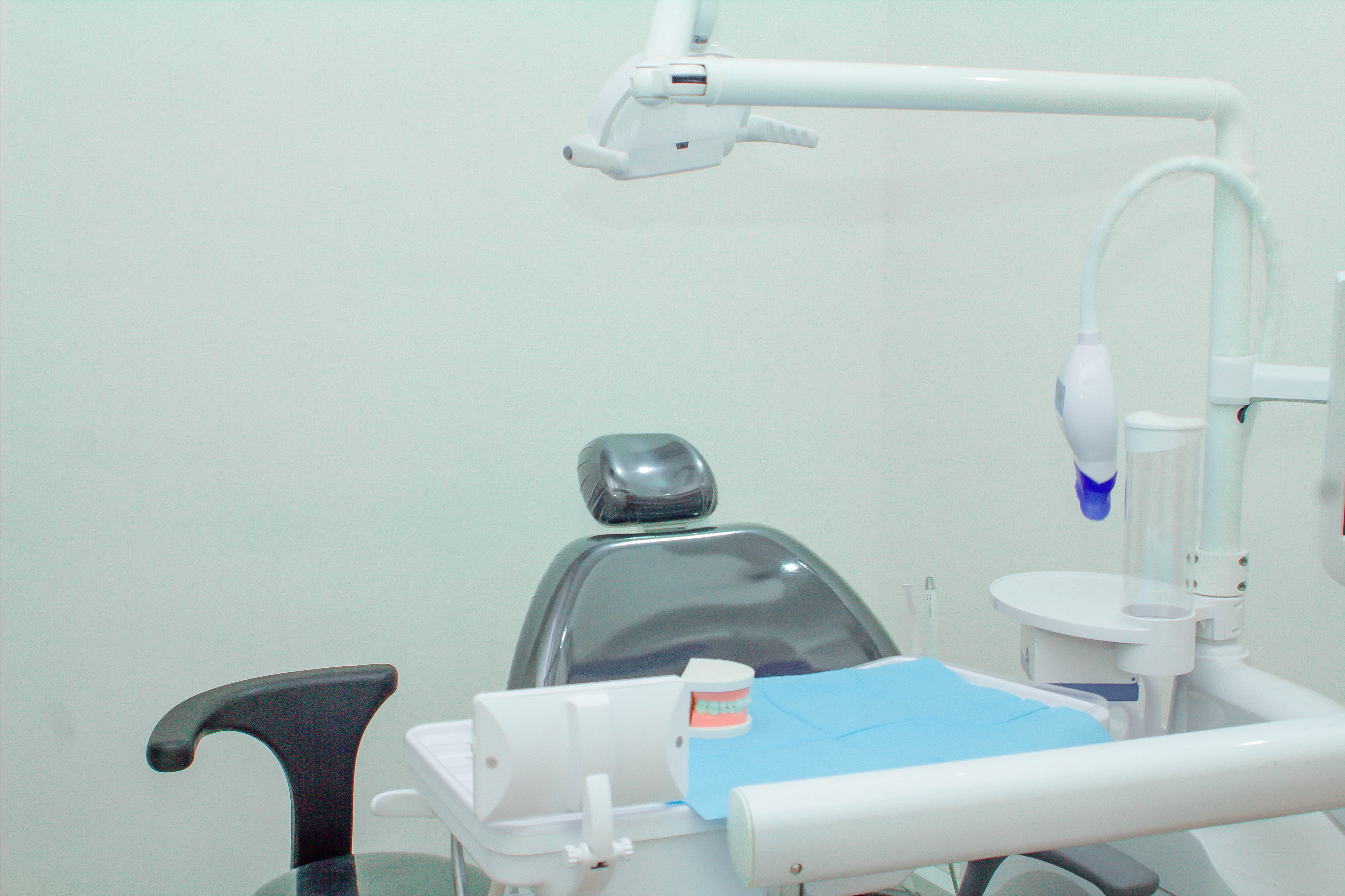
Dental anxiety is very common, and it is nothing to be embarrassed about. The good news is that it usually eases when you know exactly what is happening, feel in control, and are treated by a team that does not rush you. At Pearl Roots Dental Clinic in Ngong, we explain everything before we do it, stop whenever you ask, and offer a free, no-pressure consultation so your first step back into the chair can be a gentle one.
Why people feel nervous about the dentist
Understanding where the worry comes from often makes it easier to manage. Common reasons include:
- A bad experience in the past, often from childhood
- Fear of pain or needles
- Not knowing what is going on while lying back with your mouth open
- Embarrassment about the state of your teeth after a long gap
- Worry about cost, and being surprised by a bill
- Sounds and smells of the clinic, such as the drill
Many anxious patients carry more than one of these. None of them are unusual, and none of them mean you are a "difficult" patient.
Practical tips before your visit
Small preparations can make a real difference to how you feel on the day.
Choose a time that suits you
Pick an appointment when you are not rushing. If a long matatu commute or a stressful workday winds you up, a morning slot may feel calmer. We are open Monday to Friday, 8am to 6pm.
Eat lightly and avoid too much caffeine
A light meal keeps your energy steady. Strong coffee or several cups of tea can make a racing heart feel worse.
Bring support
You are welcome to bring a friend or family member for reassurance, or headphones with music or a podcast for the waiting time.
Write down your worries
If you tend to freeze up, jot down your questions and concerns on your phone. Handing over a list is perfectly fine.
Tell us you are nervous when you book. It is not a nuisance; it helps us plan a slower pace and more time for questions from the very start.
How we keep visits calm
Our approach is built around one simple idea: no surprises. When you understand what is happening and know you can stop at any point, the chair feels far less intimidating.
We explain everything first
Before we touch a tooth, we tell you what we are about to do, why, and what it will feel like. If we need to use an instrument that makes noise, we will say so in advance.
You stay in control
We agree on a stop signal, such as raising your hand. When you use it, we pause, no questions asked. Knowing you can stop often means people need to stop far less than they expect.
Comfort during treatment
When treatment is needed, local anaesthetic numbs the area, so most patients feel pressure rather than pain. We check that you are numb before starting and can give more if needed. Breaks to rest your jaw are always available.
No judgement, ever
Whether it has been two years or fifteen since your last visit, we are simply glad you came. Our job is to help, not to lecture.
Clear costs before anything starts
Worry about money is a real source of anxiety. We aim to offer premium dental care at an affordable price, and you will know your options and the costs before any treatment begins, so there are no surprises at the end.
The free consultation: a low-pressure first step
If you are anxious, you do not have to commit to treatment to make progress. Our free consultation is designed as a gentle starting point:
- We listen. You tell us what worries you and what you would like to achieve.
- We examine gently. A careful look at your teeth and gums, explaining as we go.
- We give you a clear plan. You leave with your options, a timeline and next steps.
- You decide. There is no obligation and no pressure. Take the plan home and think about it.
For many nervous patients, simply meeting the team, seeing the room and leaving without any treatment builds enough trust to come back. You can read a step-by-step account in what happens at a free dental consultation in Ngong.
Calming techniques you can use in the chair
These simple techniques can help during any appointment:
| Technique | How to do it |
|---|---|
| Slow breathing | Breathe in through your nose for four counts, hold briefly, then breathe out slowly for six |
| Muscle release | Notice tension in your shoulders, hands or feet and consciously let it go |
| Counting | Count slowly in your head; short procedures are often over before you reach a few hundred |
| Distraction | Listen to music through one earphone, or picture a favourite place in detail |
| Grounding | Press your feet into the floor or hold something soft in your hand |
Starting small builds confidence
You do not have to fix everything at once. Many anxious patients start with a check-up and a gentle clean, then move on to other treatment once they feel comfortable. Regular visits also mean problems are found while they are small and simpler to treat, which keeps future appointments shorter. Our guide on how often to have a dental check-up explains what a sensible routine looks like, and our preventive care page covers cleanings and screenings.
If your child is the nervous one, a calm, positive early experience matters a great deal. Our children's dentistry is focused on gentle, unhurried care.
Frequently asked questions
Do you offer sedation for anxious patients?
Ask us at your free consultation about the comfort options that suit your treatment. For most visits, a calm, explain-everything approach, local anaesthetic to numb the area when treatment is needed, and a pace that suits you go a long way.
Can I just come for a chat first?
Yes. The free consultation is a no-obligation first visit. You can meet us, ask questions and get a clear plan without starting any treatment that day.
I am embarrassed about my teeth. Will you judge me?
No. We see people at every stage of dental health, and we are glad when anyone takes the step to come in. Our focus is on helping you from here.
Can I bring someone with me?
Of course. A friend or family member is welcome to come along for support.