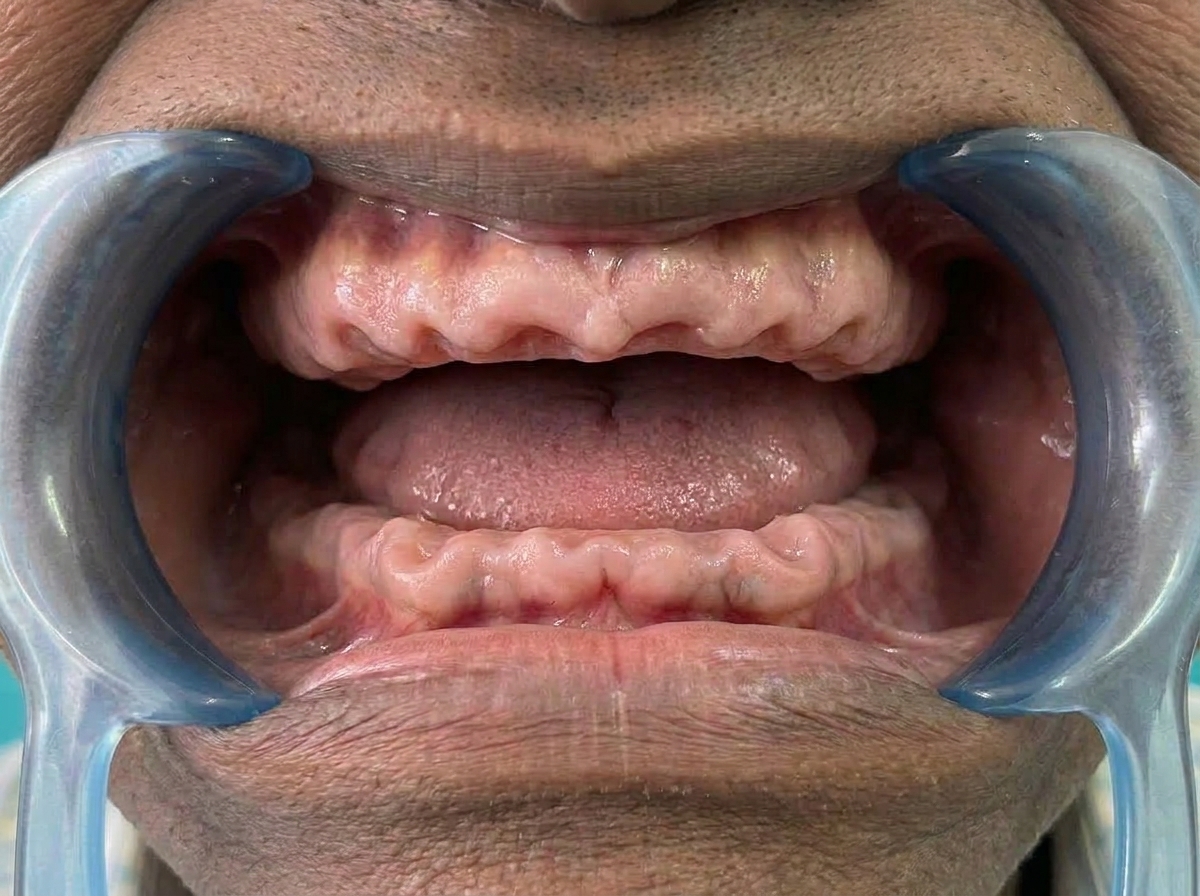
The cost of dentures in Kenya depends mainly on whether you need a partial or complete denture, how many teeth are being replaced, the condition of your gums and any remaining teeth, and how many fitting and adjustment visits are needed. Because every mouth is different, we give you an exact figure only after an examination. At Pearl Roots Dental Clinic in Ngong, that examination is part of a free consultation, where you also get a clear plan and timeline.
This guide explains the difference between partial and complete dentures, what to expect from fit and comfort, and how to look after them.
Partial and complete dentures: the basics
A denture is a removable replacement for missing teeth. There are two main kinds.
Partial dentures
A partial denture replaces one or several missing teeth when you still have some natural teeth left. It fills the gaps and usually holds on to the remaining teeth for support. As well as improving your smile, it helps stop neighbouring teeth from drifting into the spaces and makes chewing easier.
Complete dentures
A complete denture, sometimes called a full denture, replaces all the teeth in the upper jaw, the lower jaw or both. It rests on the gums and is shaped to sit snugly against them. An upper complete denture is often held well by its close fit against the roof of the mouth, while a lower one can take a little longer to get used to, because the tongue and cheeks move around it.
Comparing partial and complete dentures
| Partial denture | Complete denture | |
|---|---|---|
| Who it is for | People with some natural teeth remaining | People with no natural teeth left in that jaw |
| How it stays in place | Usually holds on to nearby natural teeth | Rests on and grips the gums |
| Effect on remaining teeth | Helps stop them drifting into gaps | Not applicable |
| Getting used to it | Often quicker, as natural teeth help with chewing | Can take a few weeks, especially for a lower denture |
| Typical cost drivers | Number of gaps and the design needed | Whether one or both jaws are replaced |
Your dentist will explain which type suits you, and whether any natural teeth can be saved first.
What affects the cost of dentures
When people search for dentures cost in Kenya, they are often surprised by how much the figure can vary. Here is why:
- Partial or complete: each is designed differently, and replacing both jaws is a bigger piece of work than replacing one
- Number of teeth: more missing teeth usually means a larger denture
- Preparation: decayed or loose teeth may need treatment or extraction first, and gums may need time to heal
- Materials and design: the materials used and how the denture is designed to grip affect both comfort and price
- Fitting and adjustment visits: getting the fit right usually takes more than one appointment
- Future upkeep: gums change shape over time, so dentures may need adjusting, relining or replacing in later years
A denture that fits poorly is rarely a bargain. Rubbing, sore spots and a loose fit can make you stop wearing it, which wastes the money spent. Good fitting and follow-up visits are what make a denture good value.
Fit and comfort: what to expect
New dentures feel strange at first, and that is completely normal. Your mouth needs time to adjust.
The first few weeks
- You may notice extra saliva for a short while
- Speech can sound slightly different until your tongue and lips adapt; reading aloud helps
- Small sore spots can appear as the denture settles
Eating with new dentures
Start with soft foods cut into small pieces, and chew using both sides of your mouth to keep the denture stable. Gradually move back to your usual meals. Very hard or sticky foods are best approached with care.
Adjustments
If a denture rubs or feels loose, come back so it can be adjusted. Please do not try to file or bend it yourself, as this can damage it. Small adjustments are a normal part of getting a comfortable fit.
Caring for your dentures
Good daily care keeps dentures clean and comfortable, and protects your gums and any remaining teeth.
- Clean them every day with a soft brush, and rinse after meals
- Handle them over a towel or a basin of water, so they do not break if dropped
- Take them out at night unless your dentist advises otherwise, to give your gums a rest
- Keep them moist when they are out of your mouth, as advised, so they keep their shape
- Avoid hot water, which can warp them
- Brush your gums, tongue and natural teeth too
- Keep up regular check-ups, so the fit and the health of your mouth can be checked
Dentures or another option?
Dentures are an affordable, effective way to replace missing teeth, and for many people they are the best fit. They are not the only choice, though. A fixed bridge may suit one or two missing teeth, and dental implants can support a single tooth, a bridge or even a denture for extra stability. Our guide on replacing a missing tooth compares the options, and our article on dental implant costs looks at implants in more detail.
At your consultation we explain every suitable option honestly, including costs, so you can make a confident decision. Learn more on our restorative care page.
Frequently asked questions
How much do dentures cost in Kenya?
It depends on whether you need a partial or complete denture, how many teeth are involved and any preparation needed. We give you a clear quote at your free consultation, before treatment begins.
How long does it take to get used to dentures?
Most people adjust over a few weeks. Lower complete dentures can take a little longer. Follow-up visits help make the fit more comfortable.
Can I sleep with my dentures in?
It is generally advised to take them out at night so your gums can rest, unless your dentist tells you otherwise.
Will I need new dentures in future?
Possibly. Gums and bone change shape over time, so dentures may need adjusting, relining or replacing eventually. Regular check-ups help spot this early.